
Search


- Categories
-
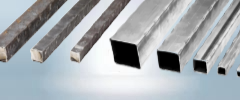
Hammered Bar & Tubing
-
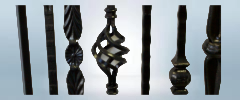
Balusters & Pickets
-
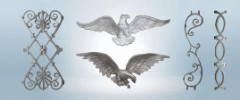
Forged Steel Scrolls and Panels
-
Ornamental Wrought Iron
-
Ornamental Cast Aluminum
-
Hardware & Supplies
-
Security Screen Doors
- Custom Services - Build to Order
-
-
-

Frequently Asked Questions
Search our articles or browse by category below
-
What are forged steel scrolls used for?
Forged steel scrolls are decorative elements used to add elegance and artistry to gates, fences, railings, furniture, shelving brackets, wall decor, plant stands, and architectural ironwork. They are welded into the surrounding framework to create ornamen...
Read more -
What is the difference between a C-scroll and an S-scroll?
A C-scroll curves in a single direction, forming a shape resembling the letter C. An S-scroll curves in opposite directions at each end, forming the letter S. Both styles can be used independently or combined in the same panel to create a wide variety of ...
Read more -
What materials are forged steel scrolls made from?
Scrolls are forged from mild steel bar stock in round, square, or flat bar profiles. Flat bar scrolls produce a wider, ribbon-like curl. Round and square bar scrolls have a more traditional, full-bodied appearance. The ends are forged to taper to a neat p...
Read more -
Do scrolls come powder coated or raw?
Scrolls are typically supplied in raw mill finish steel for the fabricator to paint or powder coat after welding. Powder coating is applied after fabrication because welding burns off any factory finish at the weld point. Contact us to confirm if any powd...
Read more -
Can scrolls be custom-made to a specific size?
Yes. Standard sizes are stocked for the most common applications, and custom sizes are available to order. Custom scrolls can be forged to your specified height, width, material, and curl style. Contact Superior Ornamental Supply at (888) 525-1280 to disc...
Read more
-
What are ornamental iron balls used for?
Iron and steel balls serve both structural and decorative purposes in ornamental ironwork. They are commonly used as post top caps, as intermediate decorative accents on balusters and gate frames, and as focal elements in scroll arrangements and basket de...
Read more -
Are the balls solid or hollow?
Both solid and hollow steel balls are available. Solid balls are heavier and weld more securely. Hollow balls are lighter, easier to drill, and preferred for larger decorative applications where weight is a concern. Contact us to confirm which types are c...
Read more -
How are balls attached to pickets or posts?
Balls can be welded directly to the top of a picket or post, or purchased pre-drilled to slip over the picket top before welding. Some balls are designed to press-fit over standard picket sizes and can be secured with epoxy or a set screw without welding.
Read more
-
What is the difference between a spear and a finial?
A spear is a pointed top element — typically a sharp or blunted spike shape — that slips over the top of a fence picket or post. A finial is a broader category of decorative top element that can be fleur-de-lis shaped, scrolled, ball-tipped, or any other ...
Read more -
How are spears and finials attached to pickets?
Most cast iron spears and finials are designed with a socket at the base that slides over the picket top. They are secured by welding around the base, by set screws, or by a tight friction fit depending on the design. For a professional result, the spear ...
Read more -
Are there safety codes regarding sharp picket tops on fences?
Yes. Some jurisdictions restrict sharp spear tops on residential fences, particularly on fences adjacent to pedestrian areas or where children may be present. Ball-tipped spears — which have a small sphere at the tip — address this concern while maintaini...
Read more
-
What is the purpose of an ornamental post cap?
Post caps serve two functions: they protect the hollow top of a tube post from moisture entry, which prevents internal rusting, and they provide a finished, decorative appearance to the top of a fence or railing post. Cap styles range from simple flat or ...
Read more -
Do post caps need to be welded?
Caps designed for tube posts typically press-fit over the post top and can be secured with epoxy or a small tack weld. Solid post caps for round or square bar posts are generally welded in place. For outdoor applications, welding or epoxy sealing is recom...
Read more
-
What is a cast iron collar?
A collar is a decorative ring or sleeve that wraps around a baluster or picket bar, typically placed at the point where two different bar profiles meet or to cover a weld joint. Collars add a finishing detail that conceals connections and adds the appeara...
Read more -
What is a base shoe in the context of cast iron components?
A base shoe is a decorative cast iron piece that sits at the floor or bottom rail and surrounds the base of a baluster or picket. It hides the installation hole or weld point and creates a neat transition between the metal component and the floor or rail ...
Read more -
Are cast iron collars and base shoes suitable for outdoor use?
Yes, with proper finishing. Cast iron holds primer and paint well. For outdoor use, coat with a rust-inhibiting primer followed by an oil-based or powder coat topcoat. Inspect periodically for paint chipping, particularly in crevices, and touch up promptl...
Read more
-
What is water jet cut steel?
Water jet cutting uses a high-pressure stream of water mixed with an abrasive to cut through steel plate with extreme precision. This process produces detailed silhouettes, patterns, lettering, and artistic designs that would be impossible to cut with tra...
Read more -
Can custom artwork be cut using the water jet process?
Yes. Custom designs can be produced from a supplied vector file in DXF or similar format. Call or contact Superior Ornamental Supply at (888) 525-1280 to discuss your artwork and material specifications for a custom water jet quote.
Read more
-
What types of custom forged hardware are available for wood doors?
Custom forged door hardware for wood doors includes strap hinges, pintles, clavos (decorative nail heads), door pulls, knockers, door handles, and decorative escutcheons. These are hand-forged or machine-pressed to replicate the appearance of traditional ...
Read more -
How is forged door hardware attached to a wood door?
Strap hinges and surface-mount hardware are secured with wood screws through pre-drilled holes. Clavos are hammered or screwed directly into the door face. Door pulls are typically through-bolted for security. For heavy or very wide doors, the hardware sh...
Read more -
Is custom forged door hardware made to order?
Yes. Custom forged door hardware is built to your specifications. Contact us at (888) 525-1280 to discuss your design, dimensions, and lead time for your project.
Read more
-
What are forged steel baskets used for?
Forged steel baskets are woven or formed steel assemblies used as decorative infill elements in gates, railings, and fence panels. They create a three-dimensional focal point within a flat panel and are typically placed at the center of a gate section or ...
Read more -
Can forged baskets be combined with scrolls and balusters in the same panel?
Yes. A basket typically serves as the center decorative element of a panel, flanked by scrolls or straight balusters. This layered composition is a classic approach in traditional ornamental ironwork and creates a strong visual hierarchy within the gate o...
Read more
-
How are leaves and ornaments attached to ironwork?
Leaves and ornamental stampings are welded or riveted to the ironwork at the point of contact. They are typically positioned over scroll curls, along bar lengths, or at structural connection points to add naturalistic detail and conceal weld marks. Smalle...
Read more -
What scale of project are leaves and ornaments typically used for?
Leaves and ornaments are used in residential and commercial projects of all sizes. In residential work, they appear on entry gates, balcony railings, and garden structures. In commercial and hospitality settings, large ornate panels in hotel lobbies, rest...
Read more
-
What are steel rings used for in ornamental ironwork?
Steel rings are circular decorative elements welded into fence panels, gate sections, and railing infill to create geometric patterns. They are also used as framing elements around cast ornaments, as connectors between scroll elements, and as standalone d...
Read more -
Can steel rings be combined with scrolls and pickets in the same panel?
Yes. Rings are versatile accent elements that combine naturally with C-scrolls, S-scrolls, straight pickets, and forged ornaments. A common arrangement places a ring at the center of a scroll composition, providing a focal point that anchors the surroundi...
Read more
-
What is a rosette in ornamental ironwork?
A rosette is a flat, circular ornamental disc with a floral or geometric relief pattern pressed or cast into its face. Rosettes are welded at cross-points in ironwork, at the intersection of vertical and horizontal rails, or at the center of a panel to pr...
Read more -
Are rosettes used in both interior and exterior applications?
Yes. For exterior applications, steel and cast iron rosettes should be primed and finished along with the rest of the ironwork assembly. The face relief of a rosette can trap moisture in its crevices, so thorough coating of all surfaces during finishing i...
Read more
-
Is the ornamental iron at Superior Ornamental Supply actually wrought iron?
The term "wrought iron" is widely used in the trade as a general descriptor for ornamental ironwork, though most modern components are fabricated from mild steel, which is stronger and more workable than true historical wrought iron. Cast iron is used for...
Read more -
Do ornamental iron components rust?
Steel and cast iron components will rust if left unprotected. For outdoor use, all components should be primed and painted or powder coated after assembly. Rust-inhibiting oil-based primer followed by a quality oil-based or powder coat topcoat is the stan...
Read more -
What finish do ornamental iron components come in?
Most ornamental iron components are supplied in raw mill finish steel for field finishing by the fabricator. Some cast iron components may have a black lacquer or wax coating. Contact us to confirm finish options for specific items. All components can be ...
Read more
-
What defines Contemporary Mid Century scroll designs?
Contemporary Mid Century scroll designs feature cleaner, more geometric interpretations of traditional scroll forms. Rather than heavily ornate Victorian or Mediterranean patterns, these designs use simplified curves, open spacing, and restrained repetiti...
Read more -
What types of projects suit Contemporary Mid Century scroll designs?
These designs work well in home builds and renovations from the 1950s through 1970s, as well as in newer homes with a transitional or retro-modern aesthetic. They are popular for entry gates, courtyard fencing, stair railings, and decorative panels where ...
Read more -
Can Contemporary Mid Century scroll designs be combined with standard scroll panels?
Yes. Mixing a Contemporary Mid Century center panel with a simpler straight picket border is a common approach that highlights the scroll design without overwhelming the overall composition. Consistent bar material and finish across all elements is essent...
Read more
-
What are the dimensions of Forged Scrolls SUI70-938?
The Forged Scrolls SUI70-938 measures 7-3/8" wide x 14-3/8" tall. It is forged from 1/4" x 1/2" hammered steel flat bar with forged ends. This S-scroll style is suitable for fencing, gates, furniture, shelving brackets, and door accents.
Read more -
What sizes are available for Steel Scroll SSL80-A?
The Steel Scroll SSL80-A is forged from 1/4" x 1/2" flat bar with forged ends and is available in multiple sizes. Select your required size from the product page, or contact us at (888) 525-1280 for sizing guidance.
Read more -
What sizes are available for Steel Scroll SSE80-A?
The Steel Scroll SSE80-A is forged from 1/4" x 1/2" flat bar with forged ends and is available in multiple sizes. Select your required size from the product page, or contact us at (888) 525-1280 for sizing guidance.
Read more -
What sizes are available for Steel Scroll SS80-A?
The Steel Scroll SS80-A is an S-scroll forged from 1/4" x 1/2" flat bar with forged ends and is available in multiple sizes. Select your required size from the product page, or contact us at (888) 525-1280 to discuss sizing for your project.
Read more -
What are the dimensions of Forged Scrolls SUI70-956?
The Forged Scrolls SUI70-956 measures 10-1/8" wide x 18-3/8" tall. It is forged from 1/4" x 1/2" flat bar with forged ends. This extra-large C-scroll is suited for prominent gate centerpieces, large decorative fence panels, and statement ironwork installa...
Read more -
What are the dimensions of Forged Scrolls SUI70-954?
The Forged Scrolls SUI70-954 measures 8-1/4" wide x 15-1/8" tall. It is forged from 1/4" x 1/2" flat bar with forged ends. This large C-scroll is designed for prominent gate and fence panel applications where a bold decorative statement is needed.
Read more -
What are the dimensions of Forged Scrolls SUI70-952?
The Forged Scrolls SUI70-952 measures 5-5/8" wide x 13-1/4" tall. It is forged from 1/4" x 1/2" flat bar with forged ends. This taller C-scroll suits gate infill, decorative fence panels, and vertical accent work in larger ironwork assemblies.
Read more -
What are the dimensions of Forged Scrolls SUI70-950?
The Forged Scrolls SUI70-950 measures 4-1/8" wide x 10-1/4" tall. It is forged from 1/4" x 1/2" flat bar with forged ends. This narrow, elongated C-scroll is ideal for vertical accent applications in gates, railings, and furniture frames.
Read more -
What are the dimensions of Forged Scrolls SUI70-948?
The Forged Scrolls SUI70-948 measures 7-7/8" wide x 11-3/4" tall. It is forged from 1/4" x 1/2" flat bar with forged ends. This C-scroll works well in fencing panels, gate decorations, shelving brackets, and larger wall decor installations.
Read more -
What are the dimensions of Forged Scrolls SUI70-946?
The Forged Scrolls SUI70-946 measures 6-1/2" wide x 9-7/8" tall. It is forged from 1/4" x 1/2" flat bar with forged ends. This C-scroll is a mid-range size ideal for fencing panels, gate infill, metal corbels, and decorative ironwork projects.
Read more -
What are the dimensions of Forged Scrolls SUI70-944?
The Forged Scrolls SUI70-944 measures 4-5/8" wide x 8-1/8" tall. It is forged from 1/4" x 1/2" flat bar with forged ends. This C-scroll style is well suited for decorative wall pieces, custom plant stands, patio furniture, and outdoor iron accents.
Read more -
What are the dimensions of Forged Scrolls SUI70-942?
The Forged Scrolls SUI70-942 measures 3-3/8" wide x 5-1/2" tall and weighs 0.70 lbs each. It is forged from 1/4" x 1/2" flat bar with forged ends. This compact C-scroll is ideal for smaller ironwork details on fencing, furniture, and decorative accents.
Read more -
What are the dimensions of Forged Scrolls SUI70-934?
The Forged Scrolls SUI70-934 measures 5" wide x 8" tall. It is forged from 1/4" x 1/2" hammered steel flat bar with forged ends. This C-scroll style is suitable for fencing, gates, furniture, shelving brackets, and door accents.
Read more -
What is the SSL80-A steel scroll made from?
The Steel Scroll SSL80-A is forged from 1/4" x 1/2" flat bar with forged ends and is available in multiple sizes. Select your required size from the product page, or contact us at (888) 525-1280 for sizing guidance.
Read more -
What is the SSHFG steel scroll made from?
The Steel Scroll SSHFG is forged from 3/16" x 1/2" flat bar with forged ends (SUFG end profile). This lighter-gauge scroll is available in multiple sizes. Select your required size from the product page, or contact us at (888) 525-1280 for sizing guidance...
Read more -
What is the SSE80-A steel scroll made from?
The Steel Scroll SSE80-A is forged from 1/4" x 1/2" flat bar with forged ends and is available in multiple sizes. Select your required size from the product page, or contact us at (888) 525-1280 for sizing guidance.
Read more -
What is the SS80-A steel scroll made from?
The Steel Scroll SS80-A is an S-scroll forged from 1/4" x 1/2" flat bar with forged ends and is available in multiple sizes. Select your required size from the product page, or contact us at (888) 525-1280 to discuss sizing for your project.
Read more -
What sizes are available for Steel Scroll SCH?
The Steel Scroll SCH is forged from 1/4" x 1/2" flat bar with forged ends and is available in multiple sizes. Select your required size from the product page, or contact us at (888) 525-1280 for sizing guidance and availability.
Read more -
What is the SC80-A steel scroll made from?
The SC80-A is a C-scroll forged from 1/4" x 1/2" flat bar with forged ends. It is available in multiple sizes. Select your required size from the product page, or contact us at (888) 525-1280 to discuss sizing for your project.
Read more -
What is the SC6182 steel scroll made from?
The SC6182 is forged from 5/16" x 5/8" fluted flat bar with forged ends. It is available in multiple sizes. Select your required size from the product page, or contact us at (888) 525-1280 to discuss which size best suits your project.
Read more -
How are individual scrolls attached during fabrication?
Individual scrolls are MIG-welded to the gate or fence frame and to adjacent balusters or pickets. The weld points are typically ground smooth and the entire assembly is cleaned, primed, and painted or powder coated after fabrication. Scrolls can also be ...
Read more -
Are scrolls structural or purely decorative?
Scrolls are primarily decorative. The structural integrity of a gate or fence panel comes from the posts, rails, and frame members. Scrolls add visual weight and pattern but are not load-bearing. That said, welded scroll infill does add rigidity to a pane...
Read more -
What design styles work best with forged steel scrolls?
Scrolls are a signature element of Mediterranean, Spanish Colonial, Victorian, French Provincial, and traditional American ironwork. In contemporary applications, clean geometric scroll arrangements without heavy ornamentation can also work well. The scal...
Read more -
Can I supply a drawing or template for a custom scroll design?
Yes. Our team can work from hand sketches, architectural drawings, or dimensional specifications. For repeat production runs, a physical sample can also serve as the reference. Contact us at (888) 525-1280 to discuss your project before placing an order.
Read more
-
What is a forged steel scroll panel?
A scroll panel is a pre-fabricated assembly of scrolls welded together into a ready-to-install insert. Rather than positioning and welding individual scrolls on-site, a panel drops into the opening of a gate or fence section and is welded to the frame rai...
Read more -
Do scroll panels require welding?
Yes, in most cases scroll panels are welded to the gate or fence frame at the top and bottom rails. Some panel designs have round-bar ends that can be set into pre-drilled holes in the rail without welding, which simplifies installation. Contact us to con...
Read more -
Can scroll panels be combined with individual balusters or pickets?
Yes. A common approach is to install a scroll panel as a center decorative section flanked by straight or twisted pickets on either side. This creates a layered design that adds visual interest without making the entire fence panel heavy or opaque.
Read more -
What are the typical dimensions of scroll panels?
Panels are generally sized to fill standard gate sections and can be cut down to fit non-standard openings. Contact us at (888) 525-1280 for current available panel heights, widths, and bar material options.
Read more
-
What customization options are available for custom forged scrolls?
Custom forged scrolls can be made to any specified height, width, curl diameter, and bar profile — round, square, or flat. The forged ends can be finished to a tight curl, a hammered flat point, or a tapered spear-tip. Batch quantities and mixed sizes for...
Read more -
What information do I need to provide for a custom scroll order?
Our team can work from hand sketches, architectural drawings, or dimensional specifications. For repeat production runs, a physical sample can serve as the reference. Key details to provide include the overall height and width of the scroll, the bar profi...
Read more -
How long does it take to receive a custom scroll order?
Lead times for custom forged scrolls depend on the complexity of the design and the quantity ordered. Contact us at (888) 525-1280 for a current lead time estimate on your specific project.
Read more
-
What makes Superior Ornamental Supply security screen doors different from store-bought security doors?
Every Superior Ornamental Supply security screen door is custom designed and forged to order in our Chula Vista, CA workshop by skilled metal workers. They are not mass-produced, big-box retail, or overseas-sourced products. The design is exclusive to Sup...
Read more -
What materials are the security screen doors made from?
Doors are constructed from steel using square bar, flat bar, or tube profiles for the decorative framework. The ventilation screen is 20-gauge pre-galvanized steel mesh, which provides excellent airflow while being significantly stronger than standard alu...
Read more -
What sizes are available?
Standard sizes are 36" x 84", 48" x 84", and 72" x 84". Domed tops and side panels are available. Call (888) 525-1280 to discuss non-standard configurations.
Read more -
Do the doors provide ventilation?
Yes. The 20-gauge pre-galvanized steel screen allows free airflow and natural light while maintaining security, making these doors ideal for front entries in warm climates where ventilation is a priority.
Read more -
How do I maintain the door and screen?
Wipe the frame and screen periodically with mild soap and water and rinse thoroughly. Lubricate hinges and lock hardware annually. Inspect the powder coat for chips or scratches and touch up promptly with matching spray paint to prevent rust. The pre-galv...
Read more -
How secure are these doors against forced entry?
The all-welded steel framework, cross-bracing, and heavy-gauge steel mesh construction make these doors highly resistant to kicking, prying, and other forced-entry attempts. Heavy-duty hinges are standard, and an attractive door lock or keyless lock housi...
Read more
-
What design elements define the Traditional style security screen door?
Traditional security screen doors feature classic ornamental ironwork patterns — scroll details, forged accents, and symmetrical panel arrangements — that complement Colonial, Mediterranean, Victorian, and traditional American architectural styles. The ir...
Read more -
Are Traditional doors available with custom ornamental details?
Yes. Call (888) 525-1280 to discuss incorporating specific scrolls, forged accents, or custom panel arrangements into a Traditional door design.
Read more
-
What characterizes the Mid Century style security screen door?
Mid Century style doors feature clean geometric lines, angular patterns, and restrained ornamentation consistent with mid-20th century modern design. They complement homes built in the 1950s through 1970s and are also well suited to contemporary homes wit...
Read more -
Does the Mid Century style door provide the same security as other styles?
Yes. All Superior Ornamental Supply security screen doors share the same structural construction — welded steel frame, heavy-duty screen, and heavy-duty hinges — regardless of design style. The decorative pattern varies; the security specification does no...
Read more
-
What types of designs are available in the Artistic security screen door line?
Artistic doors feature unique, expressive ironwork designs that go beyond standard geometric or classical patterns — including nature-inspired motifs, abstract compositions, and one-of-a-kind panel arrangements. These are suited for homeowners who want th...
Read more -
Can I commission a completely original design for an Artistic door?
Yes. Our team can work with you to develop a custom artistic design unique to your home. Call (888) 525-1280 or message us to discuss your concept.
Read more
-
What defines the Contemporary security screen door style?
Contemporary doors feature minimal ornamentation, clean horizontal and vertical line patterns, and sleek proportions consistent with modern residential architecture. These doors work well on homes with a transitional, minimalist, or current-design aesthet...
Read more -
Are Contemporary doors available in custom sizes?
Yes. All Superior Ornamental Supply security screen doors are built to order and can be specified in custom sizes. Standard sizes are 36" x 84", 48" x 84", and 72" x 84". Call (888) 525-1280 to discuss your exact opening dimensions.
Read more
-
What is a coped drive-on connector?
A coped drive-on connector is a fitting that joins a horizontal rail to a vertical post without welding. The fitting is coped — pre-cut at an angle — to match the curve of the post and is driven onto the post under pressure, creating a tight mechanical jo...
Read more -
What is a pipe flange used for?
A pipe flange is a flat base fitting that attaches to the bottom of a pipe post, providing a flat mounting surface for fastening the post to a floor, wall, or structural member. Flanges can be wall-mount or floor-mount style and are typically secured with...
Read more -
Can pipe accessories be used on exterior handrail systems?
Yes. Steel pipe accessories used outdoors should be primed and painted or powder coated along with the rest of the handrail system. Joints between fittings and pipe should be sealed with a compatible primer or caulk to prevent moisture from entering the j...
Read more
-
What is the difference between a baluster, a picket, and a spindle?
The terms are often used interchangeably, but there are subtle distinctions. A baluster is a vertical support member in a railing system, connecting the top rail to the bottom rail or floor surface. A picket is typically a flat or square bar version, comm...
Read more -
What building code governs baluster spacing?
The International Residential Code (IRC) requires that gaps between balusters must not allow a 4-inch sphere to pass through. On stair railings, because of the angle, the maximum opening is 4-3/8 inches. A practical rule of thumb is to place approximately...
Read more -
Can I use ornamental steel balusters for outdoor applications?
Solid steel balusters are well suited for both interior and exterior installations. For outdoor use, a quality powder coat finish is essential to protect against moisture and rust. Hollow balusters can be used outdoors when they are welded to metal top an...
Read more -
What is the difference between solid and hollow steel balusters?
Solid balusters are forged from mild steel and offer a slightly textured, old-world surface. They are more intricate in the designs they can hold, perform better outdoors, and have no flex. Hollow balusters are fabricated from higher-grade steel tubing, h...
Read more -
Do balusters come in standard lengths, and can they be cut to size?
Yes. Ornamental iron balusters are sold in standard lengths and are designed to be cut down on the job site to match your specific rail height. Hollow balusters can be cut with a hacksaw or angle grinder with a metal cutting wheel. Solid balusters require...
Read more -
Does Superior Ornamental Supply offer wholesale pricing for contractors?
Yes. Superior Ornamental Supply serves both retail customers and wholesale trade accounts including ironworkers, welders, fence contractors, and fabricators. Contact us at (888) 525-1280 or info@superiorornamentalsupply.com for volume pricing information.
Read more
-
What is a belly baluster?
A belly baluster features a bar that curves or bows outward at the center, creating a rounded "belly" profile before tapering back to straight square or round ends. This design adds visual interest and movement to a railing panel compared to a straight ba...
Read more -
What architectural styles work best with belly balusters?
Belly balusters complement traditional, Colonial, Mediterranean, and Spanish Revival architectural styles. They are also a popular choice for Romeo and Juliet balconies and exterior stair railings where a classic silhouette is desired.
Read more -
Can belly balusters be mixed with straight or twisted balusters in the same railing?
Yes. Mixing belly balusters with straight or twisted styles in a repeating pattern — for example, one belly between two straight bars — is a common design technique that adds rhythm and detail to a railing panel. Ensure all pieces share the same bar dimen...
Read more
-
What does "forged" mean in relation to ornamental iron balusters?
Forged balusters are shaped under high heat and pressure using dies or presses, which compresses and works the steel into the desired form. This process can create smooth knuckles, tapered sections, collar details, or textured surfaces that would be impos...
Read more -
What design details are common on forged balusters?
Common forged details include knuckles (raised nodes pressed into the bar), tapered ends, cage formations, collar accents, and basketweave sections. Some forged bars have a fully smooth profile with elegant tapering, while others combine a hammered textur...
Read more -
Are forged balusters suitable for contemporary or transitional designs?
Yes. Many forged baluster styles — particularly those with clean knuckles and minimal ornamentation — work well in transitional, Craftsman, and even modern-industrial design contexts. The key is selecting a forged style with restrained detail rather than ...
Read more -
Can forged balusters be welded?
Yes. Solid forged balusters weld easily to steel top and bottom rails using MIG or TIG welding. Forged cast iron decorative elements require a different approach — cast iron can be welded with nickel-based rod or bonded with a structural metal epoxy for n...
Read more
-
How is a forged belly baluster different from a standard belly baluster?
A forged belly baluster combines the outward belly curve with forged details — such as knuckles, collars, or textured surfaces — worked into the bar above and/or below the belly. This produces a more decorative, ornate result than a plain belly bar and ad...
Read more -
What applications are forged belly balusters best suited for?
Forged belly balusters are a natural choice for wrought iron stair railings, courtyard fencing, entry gates, and balcony railings in Mediterranean, Spanish Colonial, Italian, and traditional American architectural styles. They pair well with scroll panels...
Read more -
Can forged belly balusters be used in repeating patterns with other baluster styles?
Yes. A typical pattern might alternate one forged belly between two forged straight bars, or use a forged belly as the center element flanked by twisted balusters. Consistent bar size across all styles in the pattern is essential for a clean, professional...
Read more
-
What gives hammered balusters their distinctive texture?
The hammered texture is created by mechanically striking or pressing the bar surface to produce a series of small, faceted indentations that catch light differently at different angles. It evokes the look of hand-forged ironwork while being produced at sc...
Read more -
What design styles suit hammered balusters?
Hammered balusters are closely associated with Tuscan, Mediterranean, Italian, and Spanish-influenced design, where the hand-crafted aesthetic is highly valued. They are also popular in Craftsman bungalows, Arts and Crafts interiors, and ranch-style homes...
Read more -
Do hammered balusters require any special installation considerations?
No special process is required. Hammered balusters install the same way as other ornamental iron balusters — cut to length from the bottom, insert into a base shoe and shoe cover or weld to rail. The textured surface holds paint and powder coat very well....
Read more -
Are hammered balusters available with decorative forged elements such as spheres or knuckles?
Yes. Many hammered bar balusters are available with single or double forged balls (spheres) pressed into the bar, adding focal points along the shaft. These combination hammered-and-forged styles are particularly popular for stair railings where close-up ...
Read more
-
What is the difference between a post baluster and a standard baluster?
Post balusters are heavier, larger-section vertical members that anchor railing systems. They are placed at the top and bottom of a stair run, at corners, and at intervals along a long railing span to provide structural support and define the framework. S...
Read more -
How are post balusters anchored?
Railing posts are typically set in concrete footings for exterior fence applications, welded to a base plate that is lag-bolted to the structure, or drilled and pinned to a concrete or masonry surface with epoxy anchors. For deck or stair applications, po...
Read more -
Can post balusters be used as fence line posts?
Yes, the heavier post baluster sections are well suited for use as line posts and corner posts in ornamental iron fence systems. Select a size appropriate for your span and the lateral loads expected. Fence posts are typically set in concrete with the bot...
Read more
-
What is a tube baluster, and how does it differ from a solid bar baluster?
A tube baluster is fabricated from hollow steel tubing rather than solid bar stock. The result is a lighter component with a smooth, clean surface. Tube balusters are widely used in production residential construction due to their lower cost, lighter weig...
Read more -
What is a fluted baluster?
A fluted baluster has longitudinal grooves or channels machined or rolled into the surface of the tube, creating vertical ridges that add visual depth and refinement. Fluting references classical architectural detail and works well in transitional, Federa...
Read more -
Are tube balusters appropriate for outdoor installations?
Tube balusters should be used outdoors only when the top and bottom ends are welded to metal rails, which seals the hollow interior and prevents moisture from accumulating inside and causing internal corrosion. For outdoor use with non-welded rails, solid...
Read more -
How are tube balusters cut to length?
Hollow tube balusters can be cut with a hacksaw, angle grinder with a metal cutting wheel, or a chop saw with a ferrous metal blade. The hollow section cuts faster and with less effort than solid bar. Always cut from the bottom of the baluster to preserve...
Read more
-
How are twisted balusters made?
Twisted balusters are produced by heating a length of square or round bar stock and then mechanically rotating one end relative to the other while the metal is malleable. The number of twists per foot, the bar size, and the pitch of the twist can all be v...
Read more -
What architectural styles pair well with twisted balusters?
Twisted balusters are extremely versatile and appear in Colonial, Victorian, traditional, and transitional residential design as well as in Mediterranean and Spanish Revival styles. A tighter twist reads more ornate and formal; a looser twist feels lighte...
Read more -
Can twisted balusters be cut to length without affecting the twist?
Yes. Twisted balusters are cut from the bottom end, leaving the decorative top intact. The cut end goes into the base shoe or is inserted into the bottom rail, so the cut mark is concealed. Solid twisted bars require a chop saw; twisted tube stock cuts mo...
Read more -
Are twisted pickets used in fencing as well as railings?
Yes. Twisted square pickets are a popular choice for ornamental fence panels, gates, and courtyard enclosures. In fence applications, they are typically welded into horizontal rails and may be combined with spear tops, finials, or collar accents for a fin...
Read more
-
What defines a wave design baluster?
A wave design baluster features a bar that curves in a smooth, flowing S-curve or undulating wave form along its length, rather than a simple straight or belly profile. The curvature is typically gradual and rhythmic, creating a sense of movement and flui...
Read more -
What styles of projects are wave design balusters best suited for?
Wave design balusters are well suited for contemporary, Art Nouveau-influenced, coastal, and eclectic residential designs. Their organic, flowing form contrasts beautifully with rectilinear architecture and works particularly well on curved stair railings...
Read more -
How are wave balusters installed?
Wave design balusters install using the same methods as other ornamental iron balusters — base shoes at the bottom and insertion into the handrail at the top, or welded to metal rails top and bottom. Because the wave profile extends in one plane, orient a...
Read more -
Can wave design balusters be mixed with straight or twisted balusters?
Yes, though the wave profile is typically bold enough to stand alone as the primary design element in a panel. Mixing with plain straight bars as a frame — one wave between two straights — allows the wave to read clearly without visual competition.
Read more
-
What are cover shoes and flange covers used for?
Cover shoes and flange covers are small decorative collars that slip around the base of a baluster or picket where it meets the floor, stair tread, or bottom rail. Their purpose is to conceal the installation hole and any gap between the bar and the surfa...
Read more -
What is the difference between a flat shoe and an angled shoe?
A flat shoe sits level and is used on horizontal surfaces such as floor landings, balconies, and the starting tread at the bottom of a stair. An angled or rake shoe is pitched to sit flush against the sloped surface of a stair run. Using the correct shoe ...
Read more -
How are cover shoes secured?
Most shoes have an integrated set screw that tightens against the baluster bar to hold the shoe in place. Alternatively, shoes can be secured with a small amount of structural epoxy around the base for a gap-free finish. The set screw method is faster; ep...
Read more -
What is a split shoe, and when is it used?
A split shoe comes in two halves that wrap around an already-installed baluster from the outside, held together by set screws. Split shoes are used when the railing is already installed and you need to add a shoe without removing the baluster — ideal for ...
Read more
-
What hardware components are typically needed to install an ornamental iron gate?
A complete gate installation requires hinges to connect the gate to the post, a latch or lock to secure the gate closed, and optionally a gate closer to automatically return the gate to the closed position. For double gates, a cane bolt or drop bolt secur...
Read more -
What types of hinges are available for ornamental iron gates?
Gate hinges for ornamental iron include weld-on hinges welded directly to the gate frame and post, bolt-on hinges, pintle-and-strap hinges for wood posts, and adjustable hinges that allow post-installation corrections. Heavy-duty welded hinges are preferr...
Read more -
How do I select the right hinge size for my gate?
Hinge selection is based on gate width and weight. A general guide is two hinges for gates up to 4 feet wide and under 75 pounds, and three or more hinges for wider or heavier gates. Contact us at (888) 525-1280 for specific guidance on hinge sizing for y...
Read more -
Can gate hardware be painted or powder coated to match the gate?
Yes. Most steel gate hardware can be painted or powder coated after installation using a rust-inhibiting primer and finish compatible with the gate's own coating. Hardware with moving parts should have pivot points masked before painting to prevent bindin...
Read more
-
What is a window guard, and why are emergency release devices required?
Window guards are metal bars or grilles installed over windows to prevent unauthorized entry. Building codes require that window guards installed over emergency escape and rescue openings — such as sleeping rooms and basement habitable spaces — be equippe...
Read more -
What does the building code require for emergency window releases?
Under the International Residential Code Section R310.4, any bars or grilles installed over an emergency escape and rescue opening must be releasable or removable from the inside without the use of a key, tool, special knowledge, or excessive force. The r...
Read more -
Which windows require emergency escape and rescue openings?
Every sleeping room, basement habitable space, and habitable attic is required to have at least one emergency escape and rescue opening. The minimum net clear opening is 5.7 square feet, with a minimum height of 24 inches and minimum width of 20 inches. T...
Read more -
What are the consequences of installing window bars without a release mechanism on an egress window?
Installing fixed window bars without a release mechanism on a required emergency escape opening is a building code violation and creates a life-safety hazard. In the event of a fire, occupants could be trapped inside. Fixed bars are only acceptable on win...
Read more
-
What are steel base plates used for in ornamental iron work?
Base plates are steel plates welded to the bottom of a post or baluster to spread the load over a larger surface area and provide a secure anchoring point to a concrete, masonry, or structural wood surface. They are a key component in post installations w...
Read more -
What are weld tabs used for?
Weld tabs are small steel flat bar sections welded to a picket, baluster, or frame member to create an anchoring surface for fastening to concrete, masonry, or another metal component. They are used when a full base plate would be too large or visually ob...
Read more -
How are base plates anchored to concrete?
Base plates are typically anchored to concrete with wedge anchors, sleeve anchors, or epoxy anchors through pre-punched or field-drilled holes in the plate. For heavy posts, a minimum of four anchors is recommended, sized for the expected load per the anc...
Read more -
Should base plate installations be kept sealed from moisture?
Yes. The joint between the base plate and the concrete or masonry should be caulked or grouted with non-shrink epoxy grout after anchor installation. This prevents moisture from wicking under the plate and accelerating corrosion at the steel-to-concrete i...
Read more
-
What is a caprail?
A caprail is a smooth, decorative steel cover that slips over the top of a steel tube or flat bar handrail, providing a finished, comfortable gripping surface and a polished appearance. It transforms a utilitarian structural rail into a finished railing t...
Read more -
What are caprail ends?
Caprail ends are pressed steel finishing pieces that cap the open ends of the caprail at the terminal points of the railing — typically at a wall, post, or starting newel. They provide a clean, closed end that matches the profile of the caprail and preven...
Read more -
How is caprail attached to the underlying rail?
Caprail is slide-fit over the structural top rail and then welded in place, typically with a continuous or intermittent weld along the inside edge. After welding and grinding, the result is a smooth, seamless top rail.
Read more -
Can caprail be used on both stair and level railing sections?
Yes. Caprail is cut to length on site and welded over the structural rail at the angle required for the stair run or level section. The molded profile provides a comfortable handhold on both stair and level applications.
Read more
-
What is a lock box in the context of gate hardware?
A lock box is a steel housing welded to the gate frame that conceals and protects a deadbolt or other locking mechanism. The lock box creates a neat, finished appearance for gate locks that would otherwise have exposed hardware, and it provides protection...
Read more -
Can gate locks be rekeyed to match house door locks?
Many gate lock cylinders use standard residential keyways and can be rekeyed by a locksmith to match existing door locks, eliminating the need for a separate key. Confirm with the lock manufacturer whether the specific cylinder is rekeyable and compatible...
Read more -
What material are the lock boxes made from, and are they weather resistant?
Lock boxes are fabricated from steel and should be finished with the same rust-inhibiting primer and topcoat as the gate frame to protect against weathering. Lock cylinders and internal mechanism components are typically brass or stainless steel for corro...
Read more
-
Can I weld the castings?
Yes, they have steel inserts embedded in them, that enable you to weld them to any steel framework. They can be ordered without steel inserts. The lead time is only 3-4 weeks.
Read more -
If I need to make a large order, is it a long wait?
The lead time is only 3-5 weeks. Depends on the quantity needed.
Read more
-
In what materials do you do custom work?
Hammered square bar, round bar, flat bar, square tube, round tube, rectangular tube, large hammered tube, textured hammered bar, and twisted square bar.
Read more -
Can your custom work look delicate, solid, or strong, whether large or small?
We create your order to your specification, so the style and appearance is up to you. You order it. We'll do it.
Read more -
Can your custom work look Delicate, solid, or strong, whether large or small
We create your order to your specification, so the style and appearance is up to you. You call it. We'll do it.
Read more -
How many do you need?
Small orders are ok. Very large quantities are ok. Everything in between
Read more -
What is the coating, or finish on the final product?
We provide the piece in raw steel, there will be no primer or paint, unless your order specifies differently.
Read more -
We love restoration projects. We forge and cast, and we can often make it from steel or aluminum.
We love restoration projects. We forge and cast, and we can often make it from steel or aluminum.
Read more -
Can you create a project to exact dimensions and appearance?
It all comes down to the specification. You can send a drawing. Even a simple sketch will do, as long as you provide the dimensions. It is always best, with finely detailed items, if you can provide a sample. We can then make a duplicate of it.To re...
Read more -
How will you deliver my order?
We ship ups, common carrier, or semi tractor load, depending upon the project particulars.
Read more -
Do you do Old-School styles?
We do hand forging, hand casting aluminum, and can match old school styles.Send a photo or a sketch. We can render a 3d copy with a sample or exact dimensions.
Read more -
Can you replicate alternative hammering styles?
Hammering steel is more than just pounding on it. It's an art. The look is very important,send a photo or a sample.
Read more -
Have you seen our gallery of images?
Would you like to see those images? You can tell us that what you want is not on that page, but perhaps something close enough to give us a sense of style for what we'll build for you? Remember we do small orders, and large orders.
Read more -
How long to ship?
We'll give you a fast answer. Custom work is what we do. Customers are usually surprised at how quickly we can create your order.
Read more -
How much will shipping cost?
We have to know where it is going. Steel is heavy, so weight will be a factor. For bar and tube, cut to size will often save meaningfully on shipping costs.
Read more -
With whom will we communicate?
Key people, having years of experience, always. We respond quickly. Monday through Friday, 8:00 AM to 4:00 PM, California time
Read more
-
What should I know before ordering hammered bar or hammered tube?
Hammered bar and tube are decorative items, so each piece is slightly unique. Dimensions are nominal and can vary a bit because of the hammered finish. If you're matching an existing job, we recommend ordering all required material together so it comes fr...
Read more -
Are hammered bars exactly the listed size?
Hammered bar sizes are nominal. The hammered texture means actual dimensions will vary slightly along the length. If you need a very tight fit, allow for a bit of tolerance or plan to grind/fit on site.
Read more -
Can we twist only a center section of the bar?
Yes. Add your requirement to the order comment, or we will discuss with our telecon to arrange shipping.
Read more -
How accurate are the listed dimensions for hammered products?
Dimensions are nominal. Small variations can occur due to the hammered texture and rolling process. For tight-tolerance applications, contact us to confirm.
Read more -
Are hammered bars and tubes completely straight?
Hammered material may have minor bow or twist compared to smooth bar or tube. Allow for some variation, especially on longer lengths.
Read more -
What finishes are available? Can you match an existing finish?
Available finishes are mill/unfinished. Products are supplied raw with no primer or paint.
Read more -
Are hammered surfaces suitable for exterior use?
Many hammered items are used outdoors. Like any steel product they should be primed and painted. They can be powder coated or hot-dip galvanized.
Read more -
Are hammered bars and tubes stocked or made to order?
We pull material from our regular steel stock and run it through our hammering machinery. Hammered product is not imported.
Read more -
What are typical lead times for hammered bar and tube orders?
Lead times depend on quantity, finish, and fabrication. Most orders ship within about 1–3 weeks.
Read more -
Is there a minimum order quantity for special hammered sizes?
Minimums for special sizes depend on the size, profile, and quantity. Contact us with your requirements and we'll confirm current minimums.
Read more -
Which brackets, caps, or fittings work with hammered bar and tube?
Many standard components will fit, but the hammered profile can affect fit. Check the listed size and profile on each product, or ask us to confirm compatible fittings for your project.
Read more -
Are there any issues using hammered bar or tube with standard components?
The hammered texture can slightly change the effective size and contact points, so some tight-tolerance fittings may require adjustment. Test-fit parts before final assembly.
Read more -
How can I avoid damaging the hammered texture during installation?
Use padded clamps, avoid over-tightening fasteners directly on the texture, and protect visible surfaces during cutting and welding to reduce marring and grinding marks.
Read more
-
Can I use your doors as interior doors too?
Yes, absolutely you can. We just need carefully taken measurements and a short chat on which design you need.
Read more